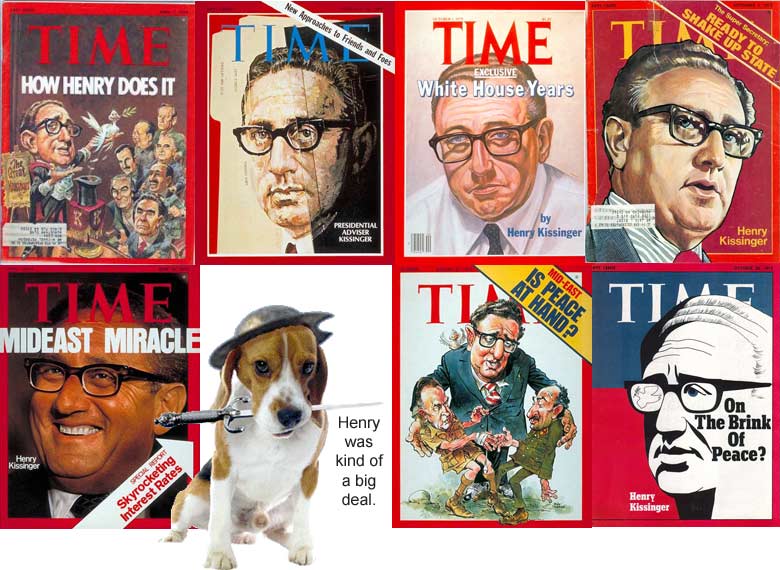

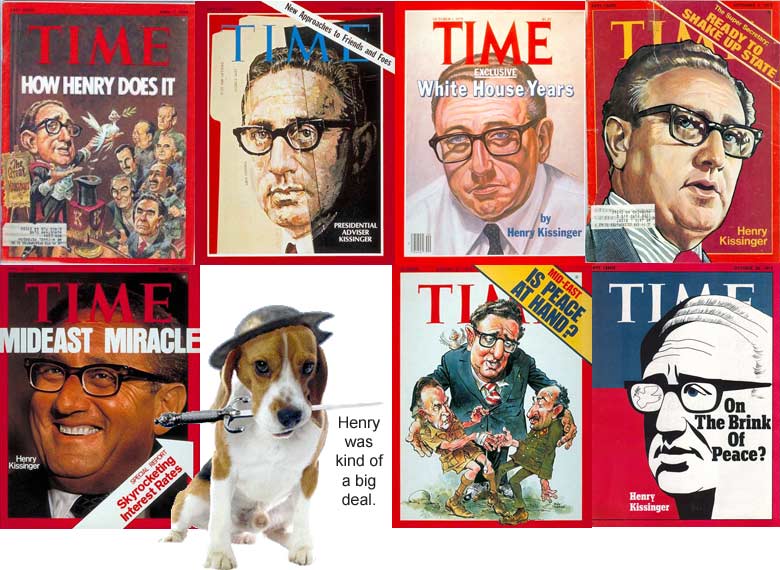
This is from the Monday Morning Memo:
Years ago, when Henry Kissinger was one of the most admired men in America, my friend Ronnie mistakenly dove into the shallow end of a hotel pool late one night and scraped his scalp pretty badly. Holding his hand over it, he staggered into that little room where they keep the ice machine. The man who turned to see who had walked in was Henry Kissinger.
“Mr. Kissinger,” exclaimed Ronnie, “you’re one of three people I’ve always dreamed of asking for advice.”
“No,” said Kissinger.
Ronnie said, “I understand,” and turned to walk out of the ro


 Unbelievable, but true: you do crave more of what you are, and feel aversion towards what you are not.
 If you ask anyone, they all want to be happy. But happiness eludes people, the more you want it the further it goes. In this talk, Osho addresses the issue. He approaches it from many different angles, blaming it on your parents, blaming it on society, and then finally he gives you a glimpse of …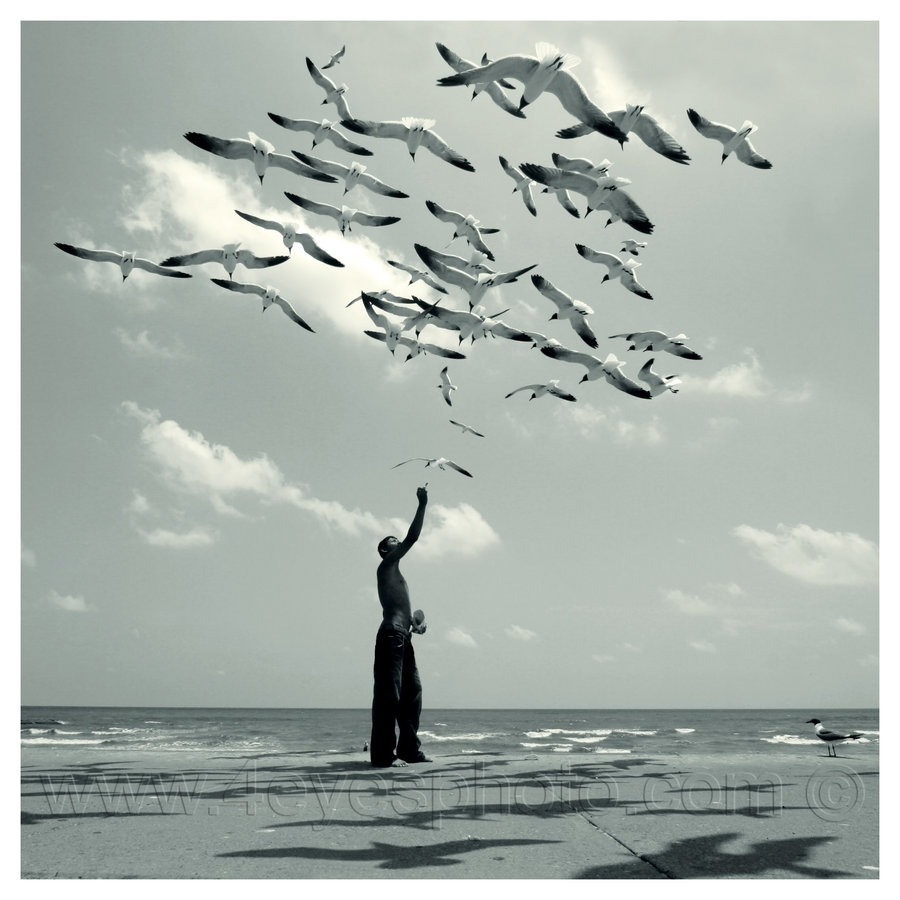
 I think, that of all Osho’s talks that I know, this is the most significant, and the most helpful, if you EVER want to be able to return HOME, to the present moment, where you can be content, happy, and start living.
 In this whole series, Osho examines a piece of poem or a story from a world culture that is spiritually meaningful. This poem is Japanese. Osho distinguishes being in the present, not being in the past, not being in the future, not desiring the present different from what it is.