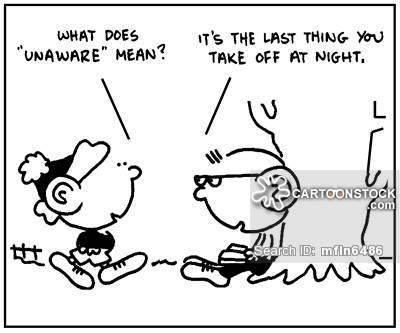
 The first few steps in the 67 steps are long, rich, convoluted audios. Why? Because no matter how long the audio, you’ll only get one little thing, if that, because the cone of vision of your awareness is as wide as a pencil.
Did I notice, did I take in all he spoke about my first time around doing the 67 steps? No. I didn’t.
It is like traveling in a car. If you look out the window, you miss the conversation in the car. If you take part in the conversation in the car, you miss the whole trip. If you read, if you are hungry…
The goal is to expand the cone of awareness s


 I have had a few skype calls with friends in Hungary recently. I had a hard time expressing myself when the conversation came to my work. It seems that I have been trapped in one way of saying things, naming thing, untranslatable to another culture, no words, just stammers. Result: they don’t quite get it.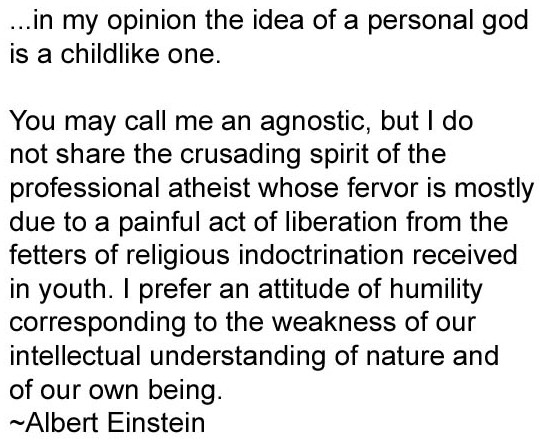



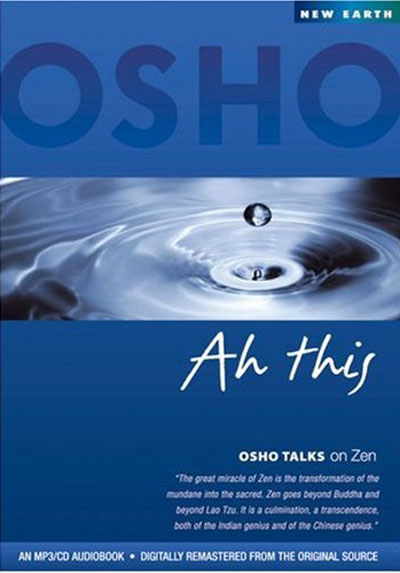
 If you ask anyone, they all want to be happy. But happiness eludes people, the more you want it the further it goes. In this talk, Osho addresses the issue. He approaches it from many different angles, blaming it on your parents, blaming it on society, and then finally he gives you a glimpse of …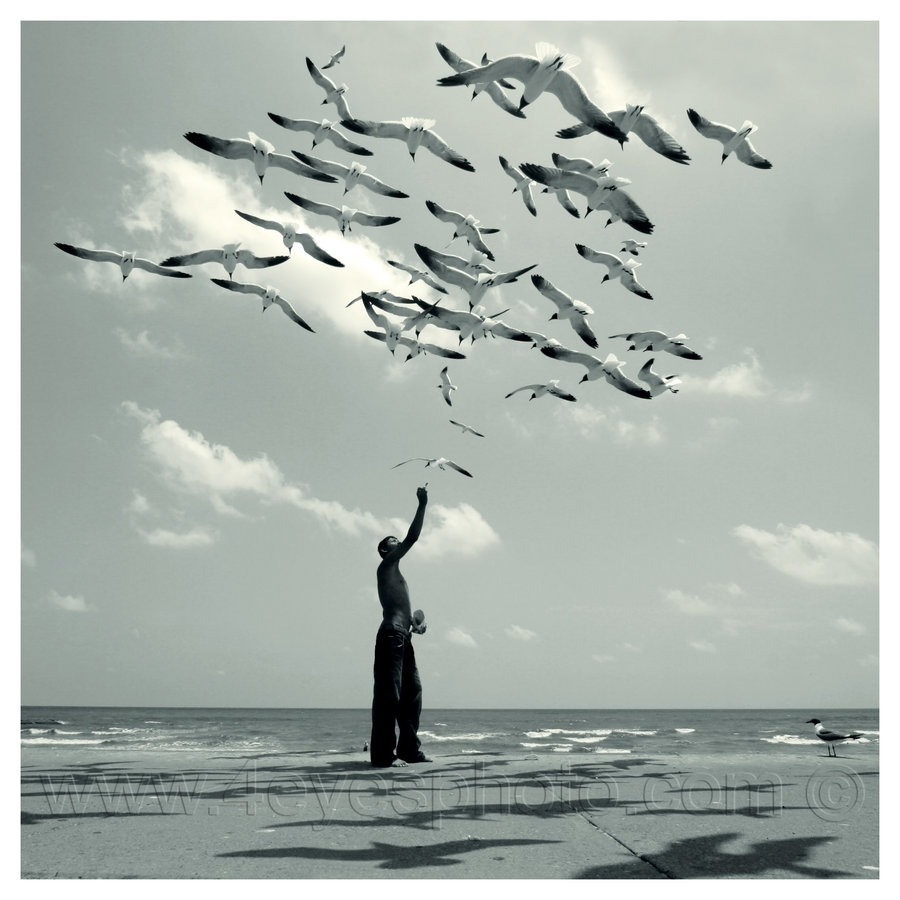
 I think, that of all Osho’s talks that I know, this is the most significant, and the most helpful, if you EVER want to be able to return HOME, to the present moment, where you can be content, happy, and start living.
 In this whole series, Osho examines a piece of poem or a story from a world culture that is spiritually meaningful. This poem is Japanese. Osho distinguishes being in the present, not being in the past, not being in the future, not desiring the present different from what it is.
 In this article I will give you a few pointers for an examined life… because an examined life is a high vibration life.