 Before I write the meat of the article, I am sure you have a question: what the heck is a worldview… and how do you know what YOUR worldview is, if any.
The Three Umpires
A little anecdote comes to the rescue, about a radio interview of three umpires on how they call ball or strike (in baseball, for those who don’t know).
The three umpires are different ages.
Umpire number one asked first. He is a rookie umpire. He is asked, as will be his colleagues: How do you call ball or strike?
The rookie umpire answers: It’s obvious. I call it the way it is. A ball is a ball, a strike is a strike.
The journeyman umpire, has a few years of judging the game, answers: I do it differently. I call it the way I see it. I see it’s a ball, I call it a ball.
The old, wrinkled seasoned umpire, when asked the same question, grumbles… You are both rookies. Because I know that it ain’t nothing till I call it.
The three umpires represent three world views… A worldview is your relationship to what is happening in the world… [note]another iteration of the same story:
.
Three umpires are sitting in a bar, sharing a beer together. They begin talking about their job and the difficulties they face in calling balls and strikes. The first umpire states quite confidently, “There’s balls and there’s strikes, and I call them as they are!” The second umpire, with a slight look of disapproval, says, “No, no, no, there’s balls and there’s strikes, and I call them as I seem ’em.” The third umpire says, “You know, you’re both wrong. There’s balls and there’s strikes, and they ain’t nothin’ till I call ’em.”
.
And like that, nothing exists until we perceive, label, and interpret it.
.
Or, put differently: The first umpire claims we perceive the world as it actually exists. The second umpire claims we interpret the world that exists. The third claims we create the world through our perception of it.
[/note] Continue reading →
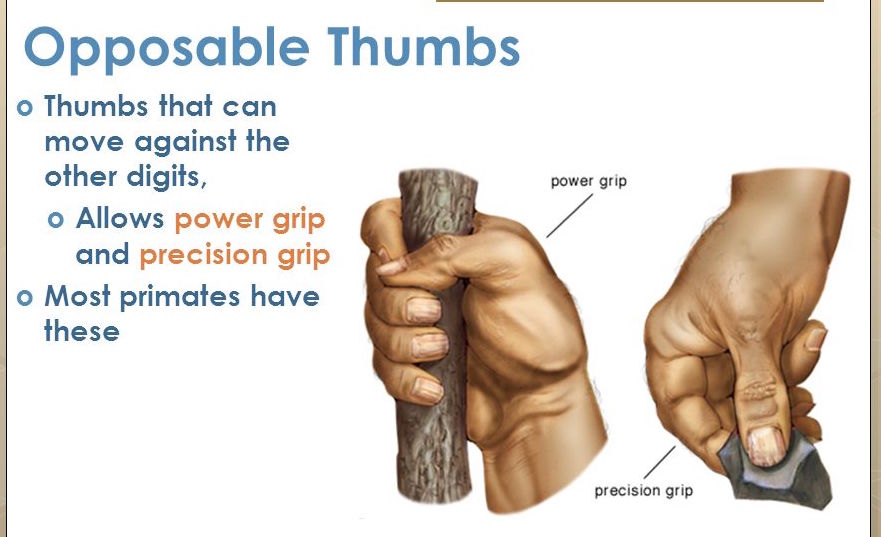 Ever feel like you are just the thumb Source needs to get things done? Things that need a thumb… Physical things…